
The Best Graphic Novel Lists for Upper Elementary
By Mary Montero
Share This Post:
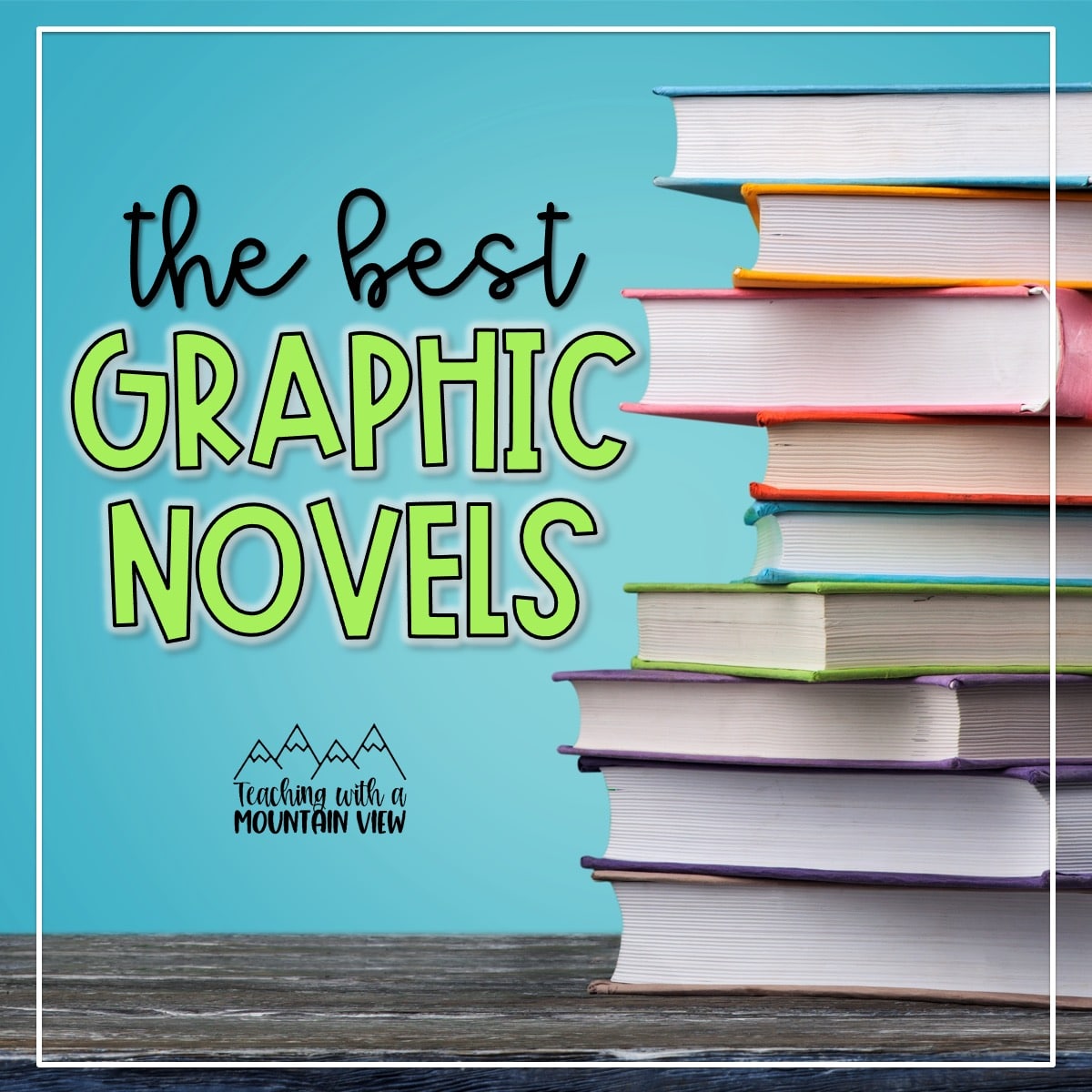
It always seems like the graphic novel shelf in my elementary classroom library is empty because my students are avid readers of this genre. It’s easy to see why students love them… graphic novels are fun, engaging, and often make reading feel easier and more approachable. Here are my favorite graphic novel lists and a few suggestions for using graphic novels with your students.
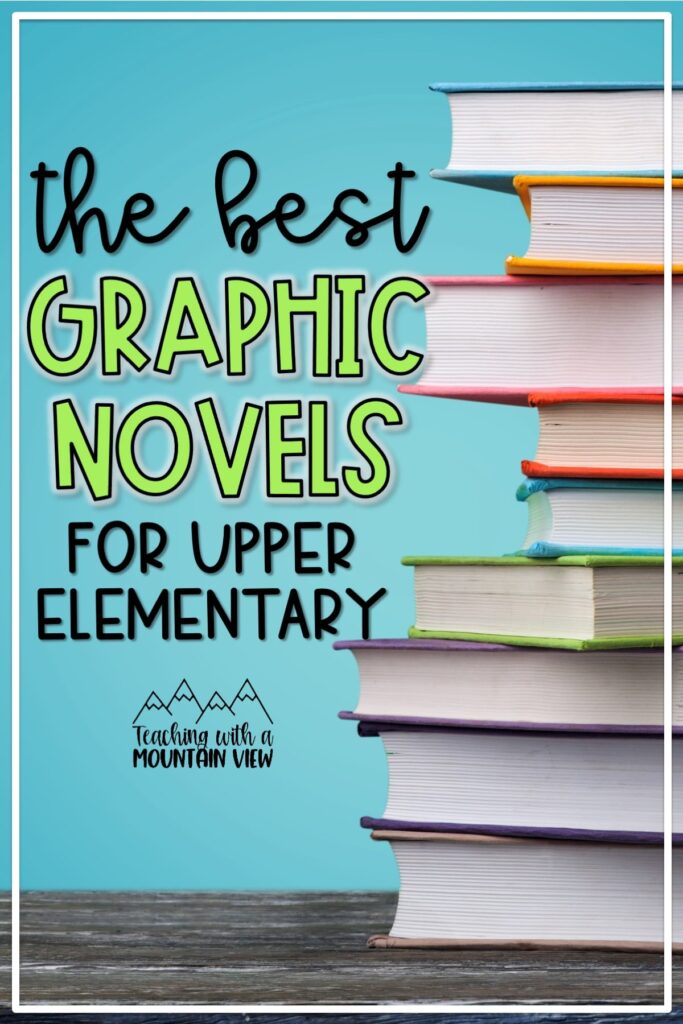
Why Graphic Novels are Amazing in the Classroom
With so many novels and classic texts, why should you choose a graphic novel to read as a class? Graphic novels are amazing for upper elementary students for many reasons.
First, they are excellent for students who struggle with reading. Whether a student is dyslexic, is learning English, or simply is behind on reading skills, graphic novels can help them feel more confident while they read because this format often feels less intimidating. Why? It’s full of images and small bursts of texts. The images help students comprehend what is going on, and the bursts of text make reading feel less overwhelming.
Graphic novels can also make more advanced texts accessible for younger students. For instance, Anne Frank’s Diary was recently adapted into a graphic novel. Now the novel is more accessible to students and provides a visual for a rather complex topic.
Tips for Using Graphic Novels in the Classroom
If you’ve never used graphic novels in your classroom before, it may feel a bit intimidating at first. I really wanted to be able to use graphic novels in a way that felt productive AND educational in a classroom setting. I researched endless graphic novels to use with my students and then spent months designing a graphic novel study journal! I am SO proud of the results, and my students absolutely loved it.
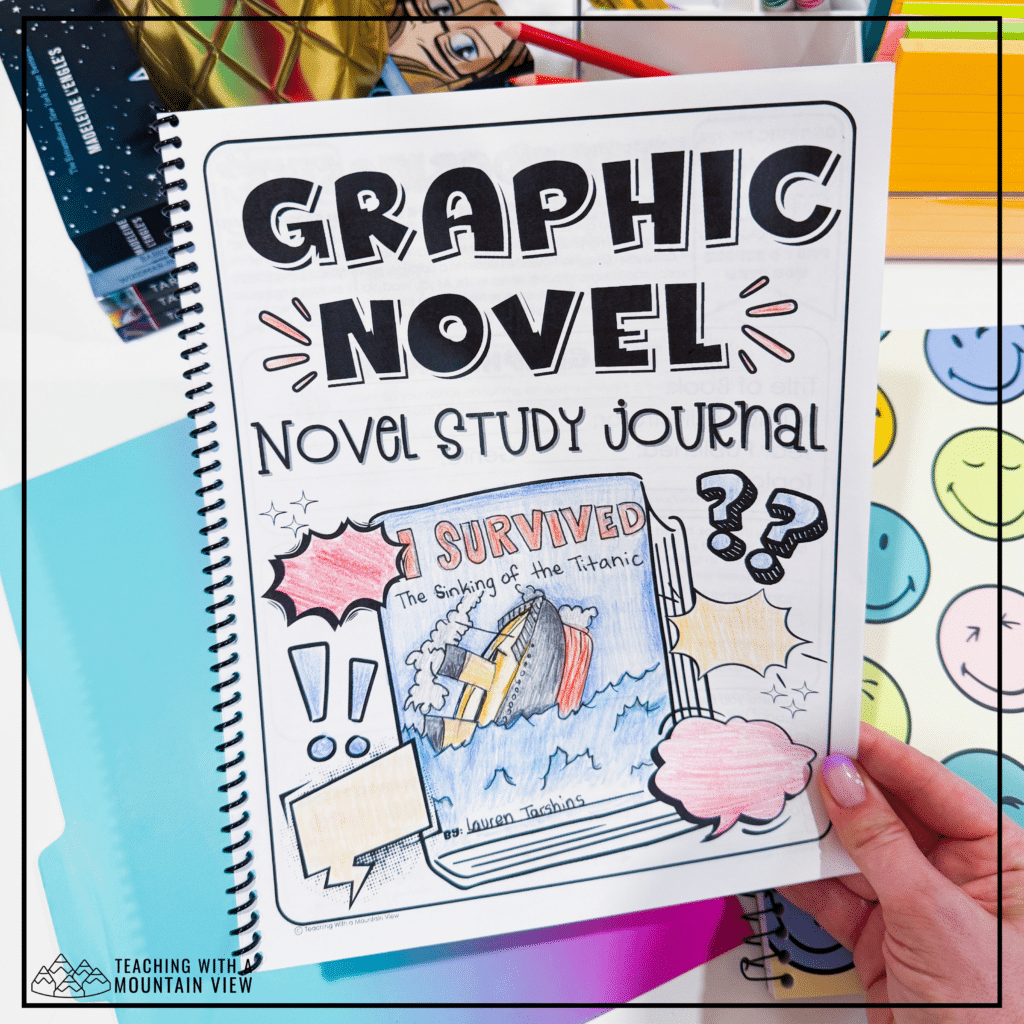
If your students are obsessed with graphic novels (and let’s be honest… most are 😅), this Graphic Novel Journal | Novel Study for Graphic Novels is the perfect companion resource. It helps students dig deeper into plot, theme, symbolism, character development, visual elements of graphic novels, and more while still keeping the high-engagement feel that makes graphic novels so powerful for readers. It’s one of my favorite ways to bring meaningful rigor to books kids already LOVE reading.
I also have found that doing read-alouds with graphic novels can be a bit more challenging because the text is more sparse, and students like to stop to analyze the images. I recommend giving students a time frame to read, and then discussing the text together. Alternatively, you can assign graphic novels in independent reading groups.
If you want tips on choosing the best novel for your students, check out this blog post.
Activities to Use with Graphic Novels
While you can use many of your typical reading activities with graphic novels, here are some of my favorite activities that work especially well with graphic novels.
#1 Use Images to Aid Comprehension: The images are there, so don’t ignore them! Make use of them. When asking students questions like, “How do you think the character felt in that moment?” have them analyze both the language and images that support their answer.
#2 Create Storyboards: With a visual text, I love having students create visual responses. This also challenges their ability to arrange a story in sequential order. Ask them to identify the climax or make a prediction about what will happen next, but have them answer with a storyboard comic strip.
#3 Identify Key Vocabulary: When students come across words they don’t know, and you are challenging them to use context clues, have them use the sentences before and after as well as the images with the text. Sometimes the images will help students understand and visualize more complex vocabulary.
Best Graphic Novel Lists for Upper Elementary
These are some of the best graphic novels for upper elementary students. My students have read many of these books and given them their approval! Each of the titles below includes an Amazon affiliate link for easy shopping, or you can see the entire graphic novel list on Amazon here.
El Deafo is about a young girl who feels very out of place in her new school. Unlike her old school, Cece sticks out like a sore thumb. She is the only student with hearing aids. At first, this embarrasses Cece, but she begins to discover some unique things she can do with her hearing. Is this new superpower enough to help Cece find a friend?
New Kid is about a young boy named Jordan Banks who loves to draw. Instead of sending him to art school, though, his parents send him to a private school where Jordan is one the only kids who draws and one of the only students of color. Jordan finds himself struggling to fit in at school and at home. Where does he belong?
The Crossover was originally a prose novel that has been adapted to a graphic novel. Josh and Jordan may be brothers, but on the basketball court, it can feel like they are rivals. Their relationship is strained, and then a family tragedy occurs. Can they put their differences aside and heal together?
- White Bird
- Allergic
- Besties
- Katie the Catsitter
- Hazardous Tales
- Cleopatra in Space
- When Stars Are Scattered
- Dragon Hoops
- Friends Forever
- While I Was Away
- Sunny Side Up
- Pashmina
- Twins
Best Graphic Novel Authors for Upper Elementary
- Raina Telgemeier (known for Guts, Sisters, Smile, and Drama)
- Rick Riordan (known for The Percy Jackson Series)
- Kazu Kibuishi (known for the Amulet Series)
- Victoria Jamieson (known for Roller Girl)
- Gene Luen Yang (known for Dragon Hoops and the Avatar graphic novels)
- Lauren Tarshis (known for the I Survived series)
Graphic Novels for Above Level Elementary Students
Do you have younger elementary students who are reading above grade level? You may find that they are interested in reading graphic novels, but you want to make sure they’re age-appropriate. Here are my recommendations:
- Baby-Sitters Little Sister
- The Babysitters Club Graphic Novels
- Dog Man
- Real Friends
- The Cardboard Kingdom
- Amulet
- Cat Kid Comic Club
Graphic Novel Novel Study Journal
Every single one of these graphic novels works incredibly well with my Graphic Novel Study Journal! I carefully designed this journal to meet the unique needs of teachers…
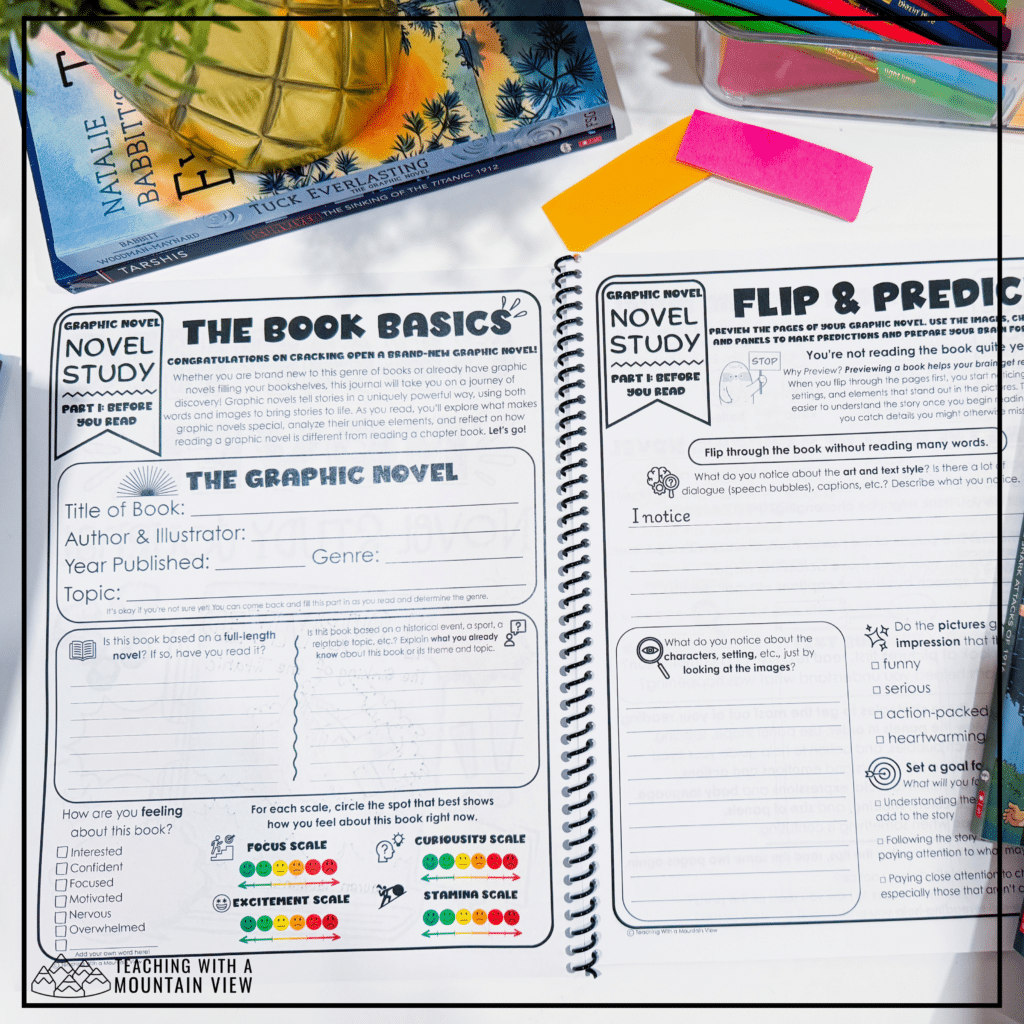
- Use with ANY graphic novel for maximum flexibility
- 15 thoughtfully designed before, during, and after reading activities that teachers can mix and match to create customized novel studies
- Helps teachers bring rigor and accountability to the graphic novels students already LOVE reading
- Explicitly teaches students HOW to read graphic novels deeply instead of just flipping through pictures
- Targets higher-order thinking skills like inferencing, symbolism, theme, visual literacy, and critical thinking
- Encourages meaningful discussion, close reading, and text evidence throughout the entire novel study
- Graphic novel-specific activities focused on dialogue, panel analysis, symbolism, flashbacks, visual clues, and special effects
- Engaging character analysis activities that track traits, emotions, conflict, and character growth
- Deep theme and symbolism work that pushes students beyond surface-level comprehension
- Helps students analyze how illustrations contribute to mood, meaning, setting, and character development
- Includes creative response activities that students genuinely enjoy completing
- Supports reluctant readers while still providing meaningful depth and challenge for advanced readers
- Perfect for independent reading, literature circles, enrichment groups, book clubs, or whole-class novels
- Includes opportunities for comparing graphic novels to traditional chapter books for deeper comprehension work
- Designed specifically for upper elementary and middle school classrooms
- Makes graphic novels feel purposeful, standards-aligned, and academically meaningful without killing student engagement
More Book Suggestions
Still not sure what to read, even after browsing these graphic novel lists? Check out this blog post where I share my favorite novels and activities to use with upper elementary studentsorthis post with engaging novel projects to use with almost any book. You can also enter your email below for more book lists and activity ideas sent straight to your inbox!
Free Book Suggestion Guide
Looking for more book tips? You can use these book lists as a resource for yourself or share them with your students’ families. I always print them out and have them ready to go for important nights like parent-teacher conferences, back to school night, and open house.
Mary Montero
I’m so glad you are here. I’m a current gifted and talented teacher in a small town in Colorado, and I’ve been in education since 2009. My passion (other than my family and cookies) is for making teachers’ lives easier and classrooms more engaging.